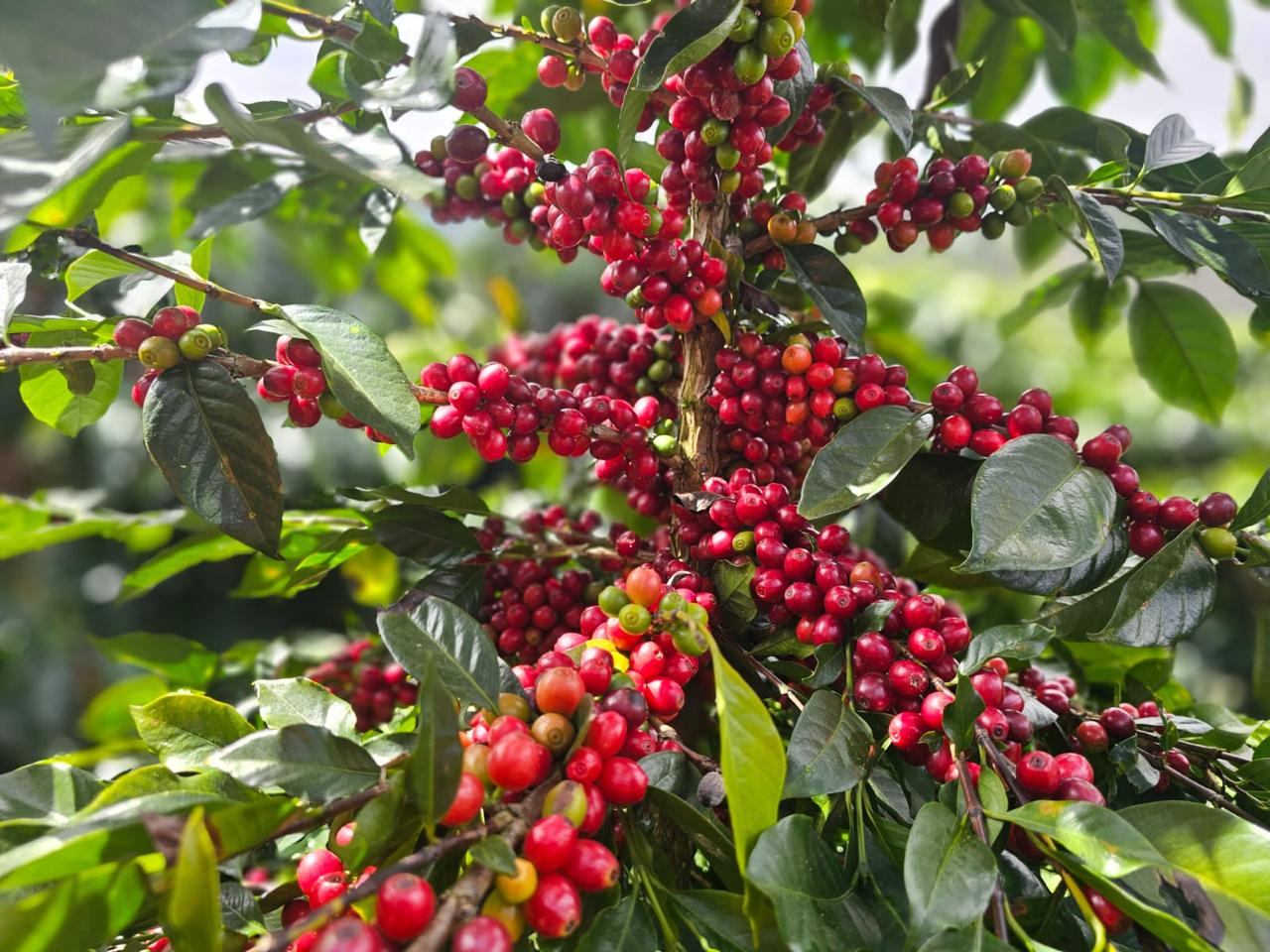
Marcala, La Paz · 1,200–1,700 masl · DOP Certified
Marcala, La Paz · 1,200–1,700 masl · DOP Certified
Cup Profile
"Vivid acidity and sweetness, exquisite fruit — citrus, peach, floral — chocolate undertones and an aroma of ripe fruit that creates a vibrant experience on the palate."
How it's made
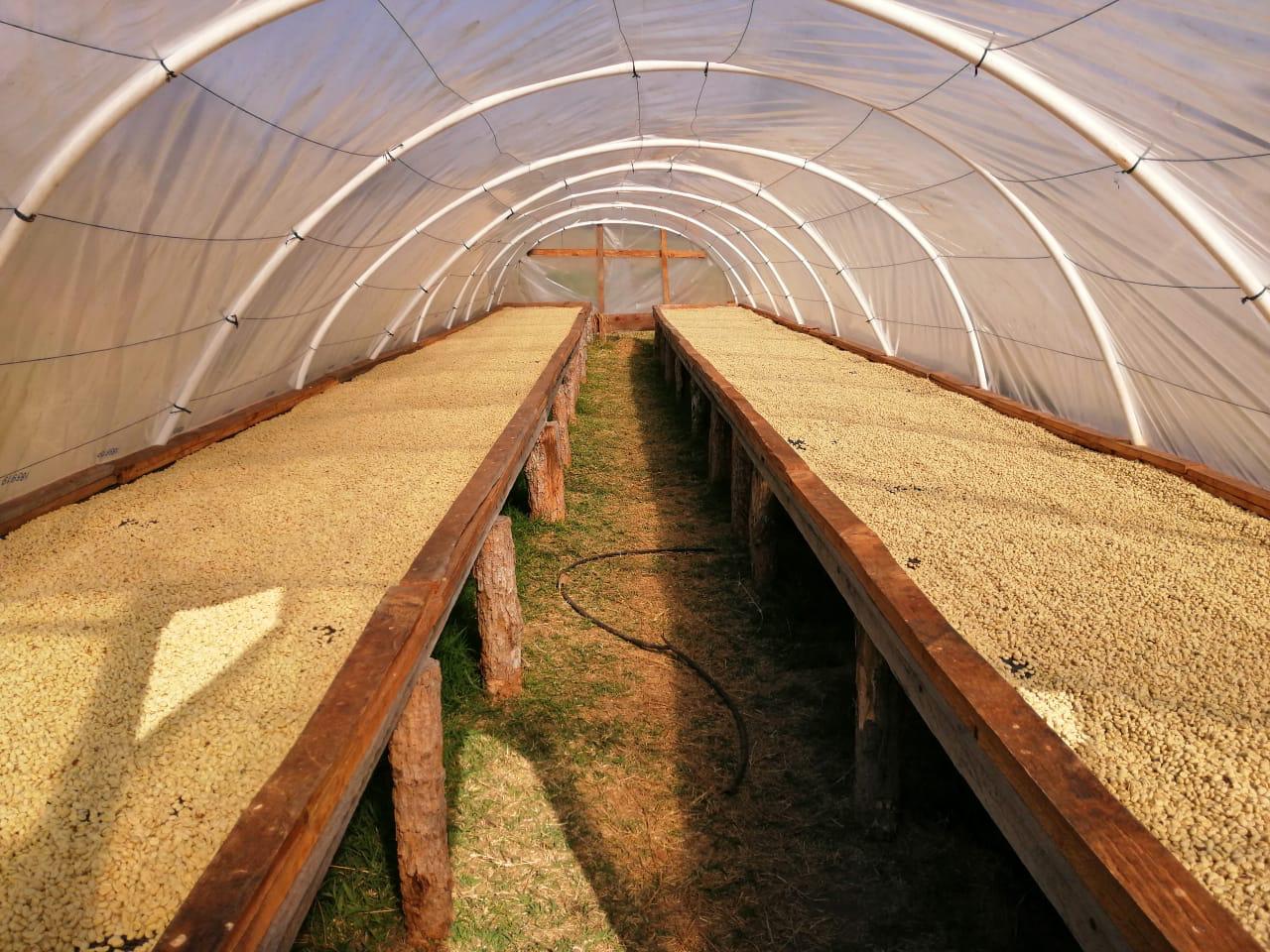 Raised drying beds — El Caracol
The most transparent expression of Marcala's terroir. After selective hand-picking, cherries are de-pulped within hours and fermented in tanks for 24–36 hours. The result is a clean, bright cup that lets the altitude and variety speak without interference.
This is COMUCAP's signature process — the one that earned the AVPA Bronze Medal in Paris and the foundation of their DOP-certified export program.
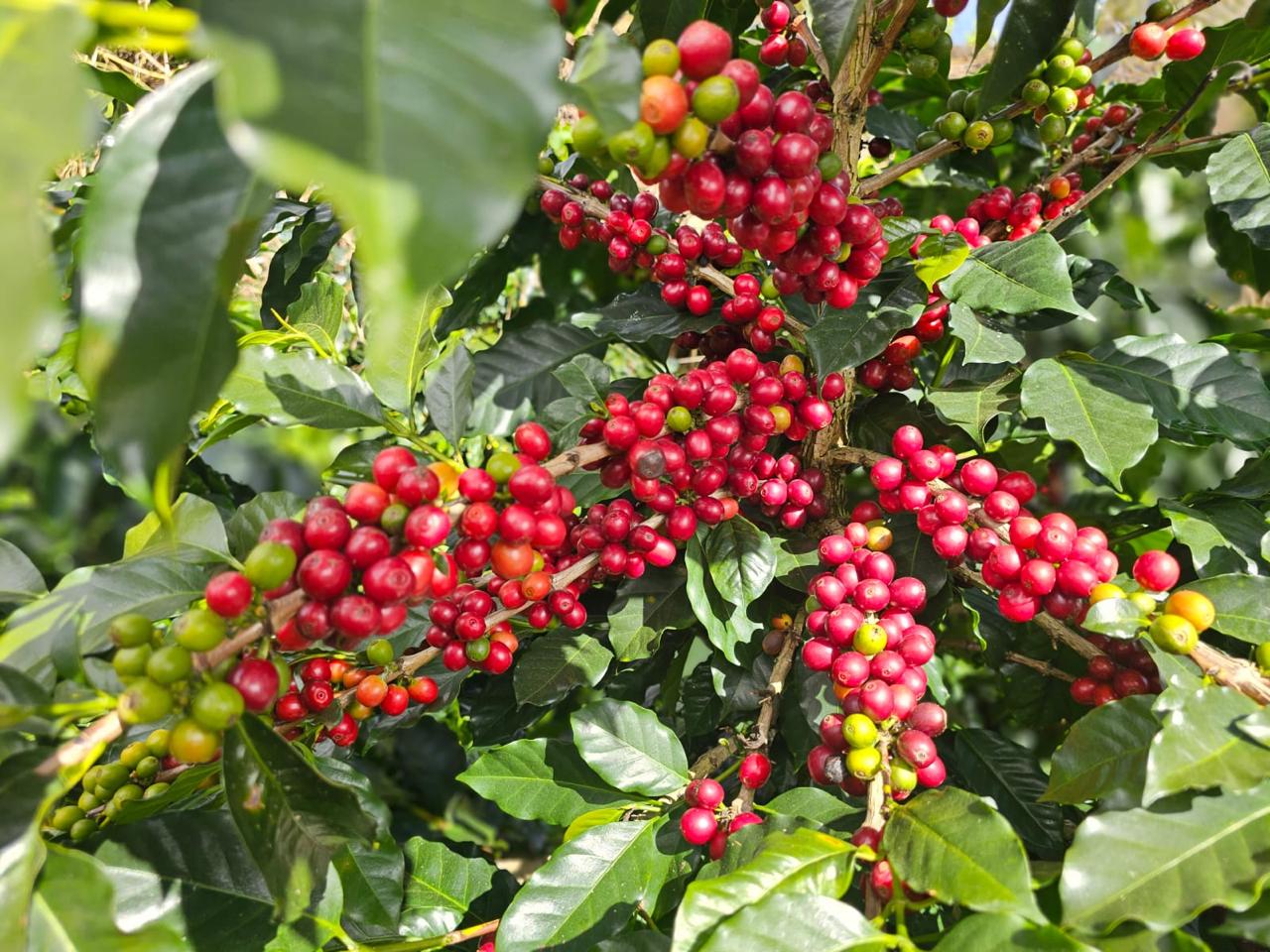 Yellow honey — mucilage intact
The mucilage — the sticky, sweet layer between pulp and parchment — is left partially intact during drying. This introduces natural sugars into the bean, resulting in a rounder, sweeter cup with fruit complexity that sits between washed and natural.
COMUCAP produces Yellow and Red Honey variants depending on mucilage retention — each with a distinctly different flavor intensity.
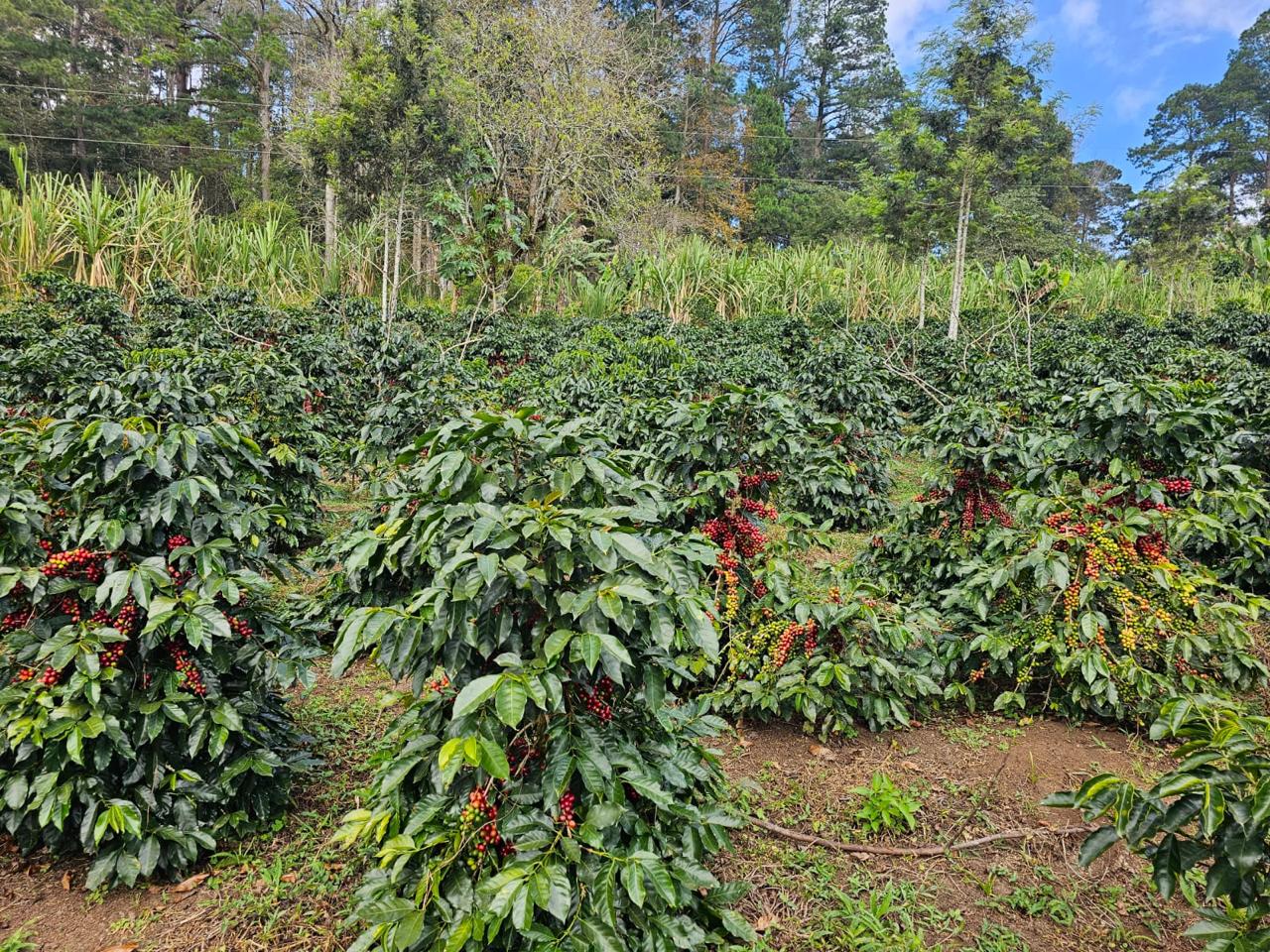 Whole cherry dried on the branch
The oldest method in coffee. The whole cherry — pulp, mucilage, and all — dries around the bean for 4–6 weeks. The result is the most intense, fruit-forward expression: deep berry, wine notes, and a full, syrupy body.
COMUCAP's naturals are produced in limited quantities on their highest-altitude plots, where cool nights slow the drying and develop extraordinary complexity.
Genetics
COMUCAP's most widely planted variety. Compact, high-yielding, resistant to wind and rain. In Marcala's altitude it produces a consistent, clean cup with structured acidity.
Developed specifically for Honduras. Resistant to leaf rust and nematodes — critical for organic farming. Produces exceptionally bright, fruit-forward cups at altitude.
One of the oldest commercial varieties. Low yield but exceptional cup quality — elegant, complex, and with remarkable clarity. Rare and prized among specialty buyers.
A large-bean hybrid producing extraordinary cups with intense floral and fruit complexity. Highly sought after by specialty roasters for its unique sensory profile.
Why altitude matters
At 1,200–1,700 meters above sea level, cold nights slow the development of the coffee cherry, allowing sugars and organic acids to accumulate over a longer period. The result is a denser bean with more complex flavor compounds.
This is why Marcala — one of Honduras's highest coffee regions — consistently produces some of the most award-winning cups in Central America.
SHB = Strictly High Bean — Honduras's highest grade designation
Request a sample lot, download our technical sheet, or speak directly with our sourcing team about availability for your next season.
Talk to us about sourcing General inquiry